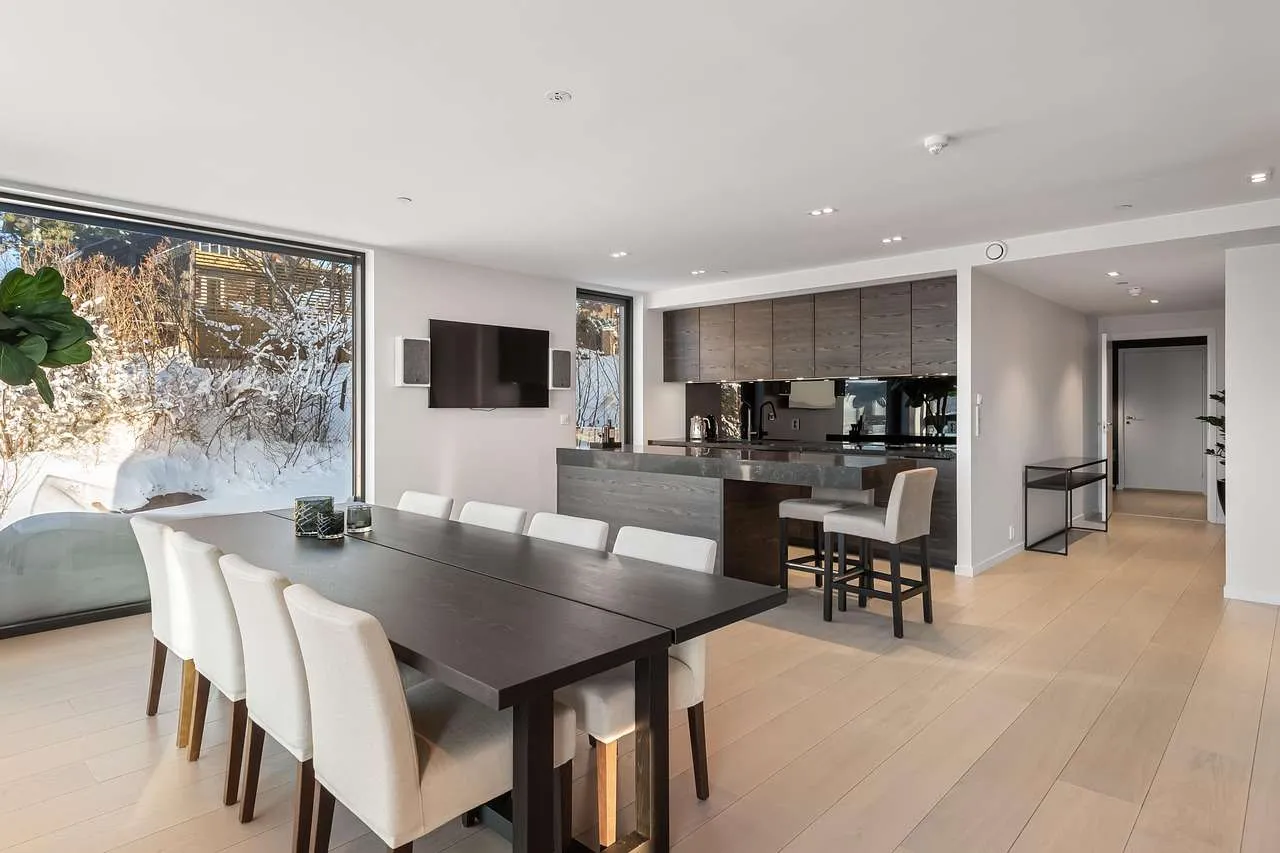
When you search for home window tinting near me you are seeking local, trusted services that improve comfort, reduce energy use, and protect interiors from sun damage. This guide draws on industry practices from seasoned installers and aligns with EEAT principles to help you evaluate providers, compare film options, and understand the installation process.
What is home window tinting?
Residential window tinting uses thin films applied to glass to filter sunlight, block UV rays, and improve indoor comfort. Modern films can block infrared heat while preserving visible light, so you still enjoy natural daylight. A professional installer ensures proper fit, no air bubbles, and long lasting adhesion.
Why search for home window tinting near me
Local providers offer rapid scheduling, on site assessments, and after install support. When you work with a nearby pro, you can request in home evaluations, energy savings estimates, and warranty details. Look for installers with verified licenses and insurance and a track record in your region, which reduces risk and supports timely service.
Benefits of home window tinting
- Heat reduction and energy savings
- UV protection to prevent fading
- Glare reduction for comfortable living and screen use
- Increased privacy without heavy shutters
- Improved comfort and potential home value
Popular tint film options
| Film Type | Heat Rejection | UV Rejection | Glare Reduction | Durability | Approx Cost | Best For |
|---|---|---|---|---|---|---|
| Dyed | Low to Moderate | Moderate | Moderate | Low | Low | Budget projects |
| Metalized | High | Low to Moderate | High glare | Moderate | Low to Moderate | Large windows |
| Ceramic | High | Excellent | Excellent glare control | High | High | Premium homes |
| Carbon | High | Excellent | Good | High | Moderate to High | Energy savings |
| Hybrid | Very High | Excellent | Very good | High | Moderate | Versatile |
How to choose a local provider near you
Start with a local search and gather three to five quotes. Check licenses and insurance, request testimonials or case studies, and review warranties covering film adhesion and fading. Ask for on site measurements, a written energy saving estimate, and a clear project timeline. A reputable installer should provide before and after photos and a written guarantee with service contact options.
Installation process and care
Professional installation typically includes a pre job survey, glass cleaning, film cutting to window sizes, careful application with squeegees, edge sealing, and curing time. Expect a short disruption to window use for a day or two. After installation, avoid ammonia based cleaners and allow the film to cure according to the manufacturers guidelines. Clean with a soft cloth and mild soap solution.
Cost considerations
Costs vary with film type, number of windows, and labor. Basic dyed films are more affordable, while ceramic and carbon films offer higher heat rejection and UV protection at a premium. On average, you may see per window or per square foot pricing that reflects window size, film quality, and local market rates. Request a transparent written quote that itemizes product cost, labor, and any warranty fees.
Care and maintenance
Maintain film performance by cleaning with non ammonia glass cleaners and a microfiber cloth. Avoid abrasive scrubbing and harsh chemicals near the edges. If edges lift or bubbles appear, contact your installer promptly to prevent deterioration and preserve warranty coverage.
- How long does tint last and does it fade over time
- Will tinting affect night visibility or outside view
- Does residential tinting actually save energy year round
Conclusion, selecting the right home window tinting near me means weighing film options, confirming credentials, budgeting for installation, and following aftercare to maximize comfort and energy savings.