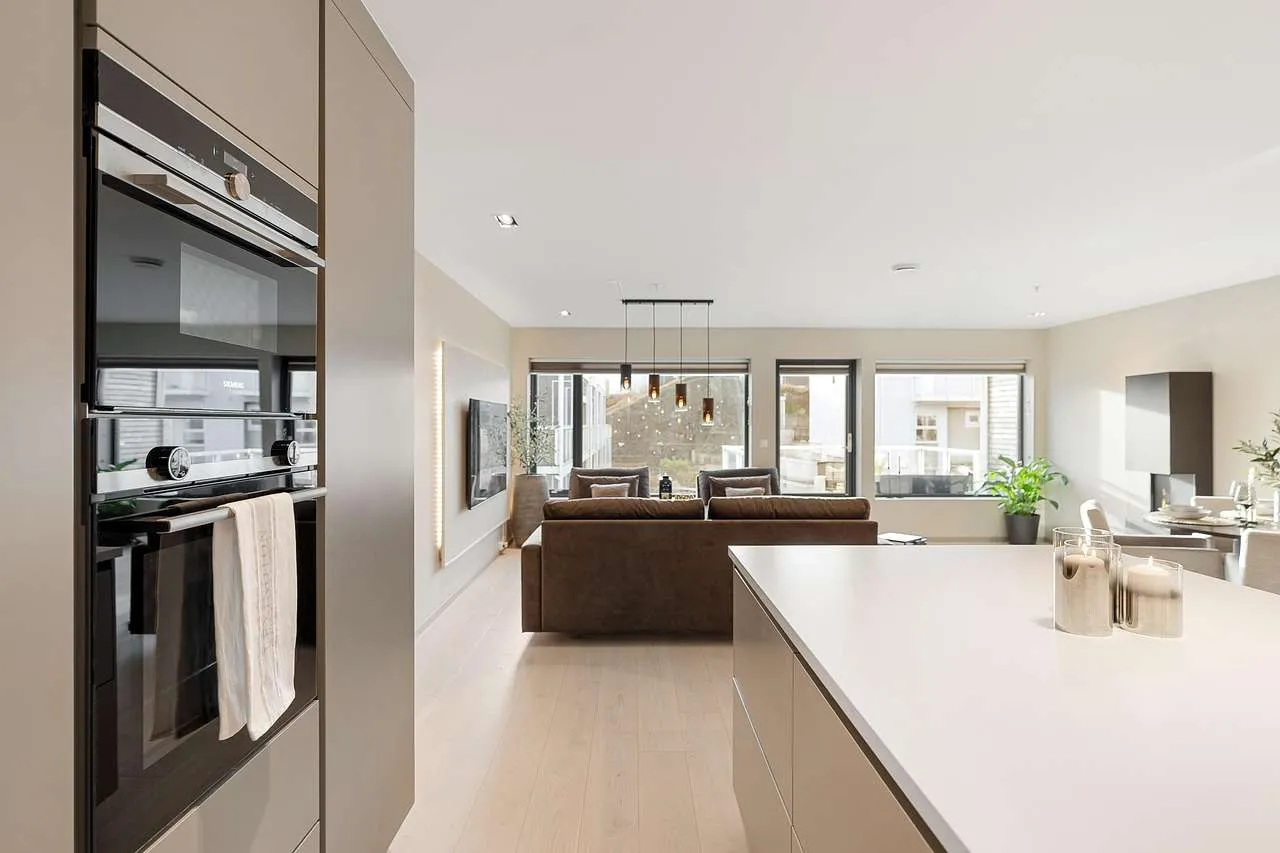
What is home window tinting?
Home window tinting refers to installing a thin film on interior surfaces of residential glass to filter sunlight, reduce heat transfer, and improve privacy. Modern window films are designed to block UV radiation and glare while preserving natural light. Most installations are done on windows facing the sun to improve comfort in living spaces and to protect furnishings from fading.
Benefits of home window tinting
- Energy savings by reducing heat gain in summer and heat loss in winter
- UV protection and fade prevention for fabrics and artwork
- Glare reduction for TVs and computer screens
- Increased daytime privacy without sacrificing outside visibility
- Added security through shatter resistance when using thicker films
Common types of residential window films
Choosing the right film depends on climate, orientation, and how you use your space. Here are the main options homeowners consider.
Dyed window film
Pros: inexpensive, effective glare control, and improved privacy. Cons: color can fade over time, and UV protection may be moderate.
Metalized and hybrid films
Pros: strong heat rejection and good durability. Cons: can interfere with some electronics and may appear reflective from outside.
Ceramic films
Pros: excellent heat rejection, stunning color stability, and no metal content, preserving signal transmission for devices. Cons: higher upfront cost.
Carbon and Low-E coatings
Pros: non-reflective appearance, strong UV protection, and good infrared blocking. Cons: price varies by brand and installation.
Energy savings and UV protection
Residential window films can reduce solar heat gain by a wide range depending on the product and climate—typically from 30% to 70%. UV-blocking performance often reaches 99%+, protecting furnishings and skin from sun exposure while maintaining natural light.
Choosing an installer
For EEAT, select a licensed, insured professional with solid references and a clear warranty. Ask for in-home demonstrations or film samples, confirm the expected VLT (visible light transmission) to match your privacy needs, and review installation timelines. A reputable installer will measure each pane accurately, prepare the glass surface, and ensure clean, bubble-free results.
Maintenance and care
Clean windows with a soft cloth and a mild solution of water and soap. Avoid abrasive cleaners or rough scrubbing which can scratch the film. After installation, wait the recommended cure time before washing; most films are designed to last 10–15 years with proper care.
Cost considerations and ROI
Prices vary by film type, window size, and labor, but typical residential tinting ranges from roughly $5 to $12 per square foot installed. While ceramic and carbon films cost more, the ROI comes from energy savings, reduced fading, and improved comfort. In hot climates, payback may be achieved within 3–7 years depending on energy costs and house layout.
Table: Comparison of residential window films
| Film Type | Key Benefits | Pros | Cons | Typical Cost |
|---|---|---|---|---|
| Dyed | Heat reduction and privacy | Low cost, strong glare control | Color fading possible; moderate UV protection | $2–$6 per sq ft |
| Metalized/Hybrid | Great heat rejection | Excellent energy savings, durable | Possible signal interference; reflective look | $6–$10 |
| Ceramic | High performance, non-reflective | Excellent UV and heat rejection, looks natural | Higher upfront cost | $8–$12 |
| Carbon/Low-E coatings | Non-reflective, strong IR blocking | Stable color, strong UV | Variable availability and price | $7–$11 |
Legal considerations and warranties
Some regions limit window tint darkness on certain panes or require a minimum visible light transmission. Always check local codes and HOA guidelines. Reputable installers provide warranties that cover adhesion and performance, typically 5–15 years depending on product and climate.
Frequently asked questions
Q: Will window tinting darken rooms? A: Modern films balance privacy with natural daylight; the level of tint you choose determines the effect. Q: Does tinting affect window warranty? A: Some manufacturers require professional installation to maintain warranty. Q: How long does installation take? A: Most homes are completed in a few hours per area, with cure times following installation.
Summary: Home window tinting offers comfort, protection, and energy savings when paired with proper product selection and professional installation. By selecting the right film, understanding local regulations, and working with a qualified installer, homeowners can enjoy durable value and a more comfortable living space.