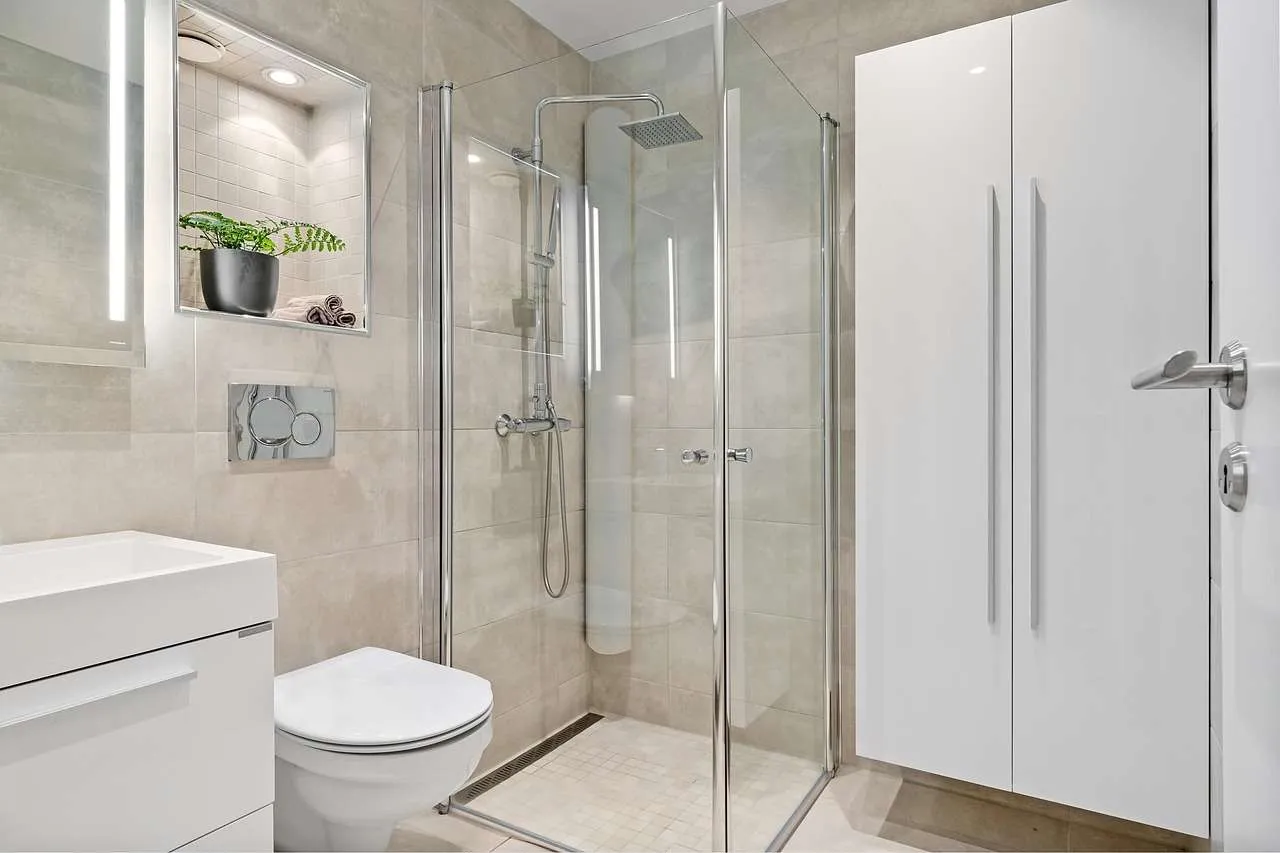
Creating a cohesive bathroom decor isn't just about pretty finishes—it's about durability, layout, and a space that supports daily routines. This guide blends design expertise with practical advice to help you choose colors, materials, lighting, and storage that perform well in moisture-rich environments. By focusing on quality finishes, timeless styles, and careful planning, your bathroom can feel both luxurious and easy to maintain.
Define Your Bathroom Decor Style
Start by selecting a unifying style that reflects how you use the space. Popular options include minimal modern, spa-inspired, coastal, vintage, and industrial. A restrained palette with a few statement pieces often yields the most timeless decor. Consider the scale of your bathroom: smaller rooms benefit from light colors and reflective surfaces, while larger baths can embrace texture and contrast. For EEAT credibility, rely on reputable design sources and, when needed, a licensed designer to validate layout choices and material selections.
Color Schemes and Finishes
Color sets the mood. Neutrals like warm beiges, cool grays, or crisp whites create calm backdrops that pair with any fixture. Add personality with accent tones drawn from natural stone, glass, or bathroom textiles. In moisture-prone zones, matte-finish tiles resist fingerprints and streaks, while gloss surfaces amplify light. When selecting finishes, maintain consistency: match metal tones (nickel, brass, black) across hardware, faucets, and light fixtures to reinforce cohesion.
Materials and Surfaces
Durability and moisture resistance should guide material choices. Options such as porcelain and ceramic tiles, engineered quartz countertops, and solid surface vanities offer resilience and ease of maintenance. Natural stone brings luxury but requires sealing and maintenance planning. Glass shower enclosures visually enlarge the space but need regular cleaning to prevent soap scum. For floors, choose slip-resistant textures to balance safety and style. Always verify warranties and installation requirements from reputable manufacturers or contractors to uphold expertise and trustworthiness.
Lighting and Storage Essentials
Layered lighting is non-negotiable in bathroom decor. Combine ambient ceiling light with task lighting around mirrors and, if possible, accent lighting to highlight textures. Damp-rated fixtures are essential near baths and showers. Storage should counter clutter while remaining accessible: a vanity with drawers, wall cabinets, and open shelving can accommodate everyday items. Consider moisture barriers or closed storage for textiles to preserve longevity and cleanliness.
Layout and Space Planning
Efficient layouts maximize comfort in small bathrooms. Prioritize a clear wet zone (shower or tub) separated by a glass enclosure to minimize moisture migration. A pedestal sink can free floor space in tight rooms, but a shallow vanity maximizes countertop area for daily routines. Mirrored walls or large-format tiles can visually expand the space. If plumbing permits, a linear drain shower and a flat shower curb enhance accessibility and flow.
Budgeting and Maintenance
Plan a realistic budget that allocates 50% to core fixtures (toilet, vanity, shower), 30% to surfaces (tiles, countertops), and 20% to lighting and hardware. Invest in high-quality, moisture-resistant materials for longevity, even if it costs a bit more upfront. Regular maintenance—wiping down surfaces, resealing grout every 1–2 years, and addressing leaks promptly—extends a bathroom’s life and preserves its look.
Material Comparison
| Material | Pros | Cons | Ideal For |
|---|---|---|---|
| Ceramic Tile | Affordable, durable, wide range of patterns | Grout maintenance, can be slippery when wet | Walls, backsplashes |
| Porcelain Tile | High density, moisture resistant, low porosity | Installation requires precision | Flooring, shower surrounds |
| Natural Stone | Luxurious look, unique patterns | Porous, requires sealing | Accent areas, countertops |
| Quartz Countertops | Non-porous, stain resistant, low maintenance | Can be pricey, limited heat tolerance | Vanities, countertops |
| Solid Surface | Seamless appearance, repairable surface | Scratch can show; lower heat resistance | Vanities, shower walls |
| Glass | Feels spacious, easy to clean, modern look | Shows water spots; safety concerns if poorly installed | Shower enclosures, cabinetry fronts |
EEAT and Sourcing Tips
To strengthen expertise, seek professional opinions for complex renovations and verify credentials from licensed contractors or certified product installers. Look for warranties, installation guides, and third-party certifications (e.g., moisture resistance ratings). When researching, consult established design publications, showrooms, and reputable brands to ensure information accuracy and trustworthy recommendations.
Maintenance and Longevity
Establish a routine: use non-abrasive cleaners on tiles, seal grout every 12–24 months, and wipe metal finishes to prevent tarnish. Select low-maintenance materials where possible, and install ventilation to control humidity. A well-planned maintenance schedule protects the decor you invest in and preserves resale value.
Conclusion
Summary: This guide covers defining your bathroom decor style, choosing color schemes, selecting durable materials, planning lighting and storage, and budgeting for lasting results. By prioritizing moisture-resistant surfaces, cohesive metal finishes, and a smart layout, you create a durable, stylish, and easy-to-maintain bathroom decor that stays timeless over time.